


Royal Realms
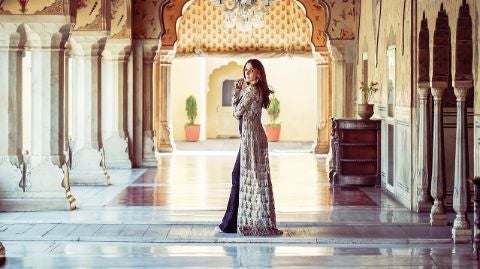
Royal Realms
These five Indian palaces will whisk you away to another era
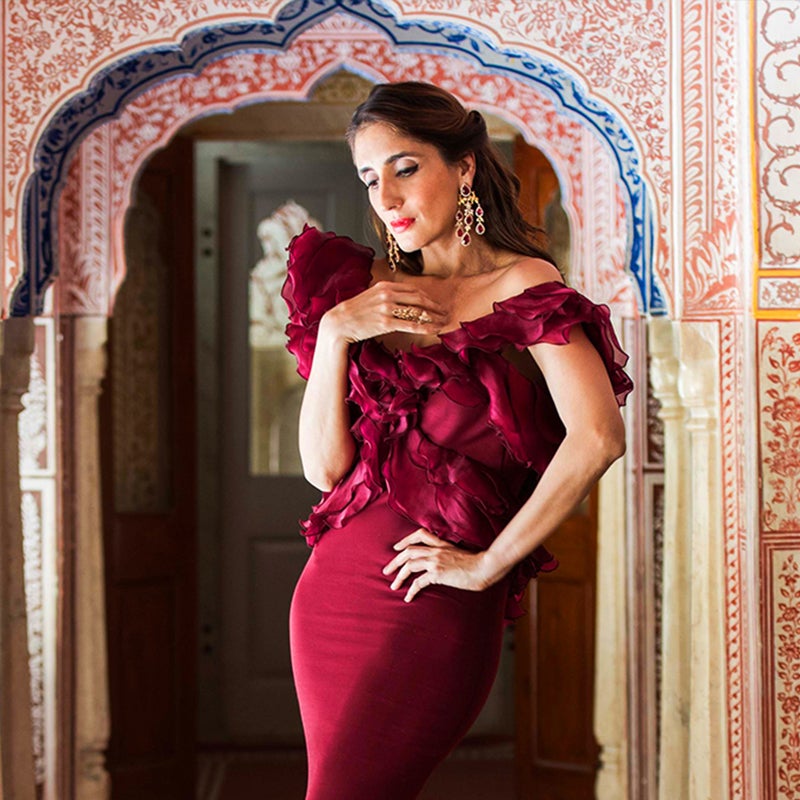
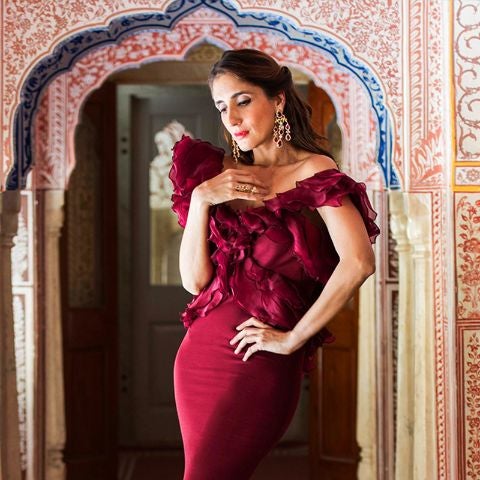
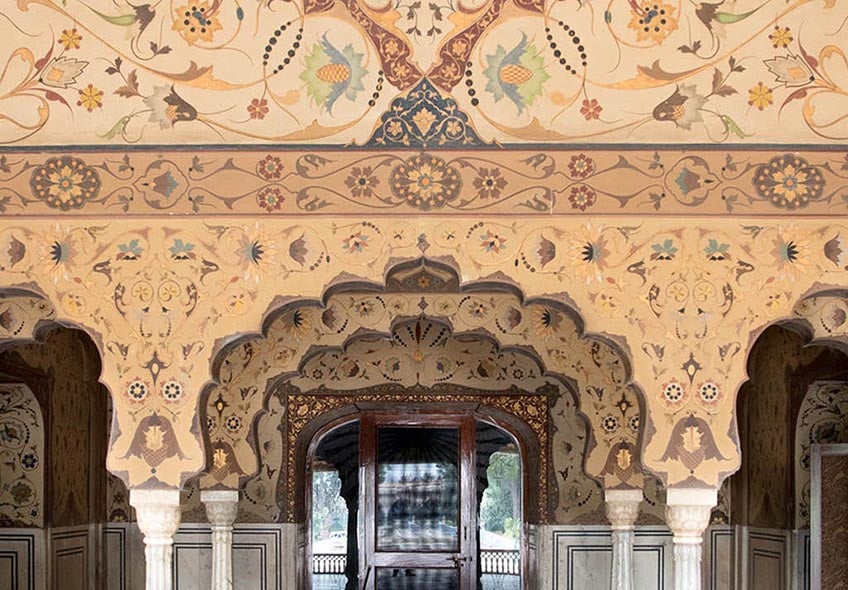
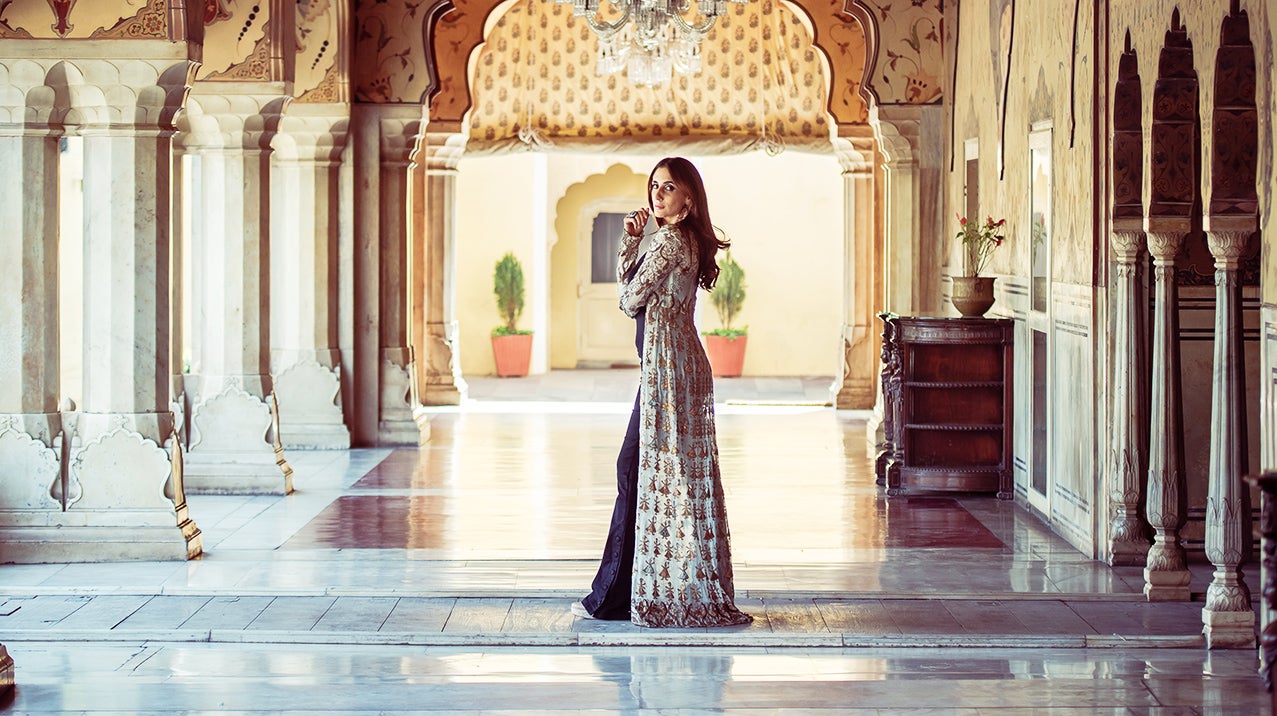
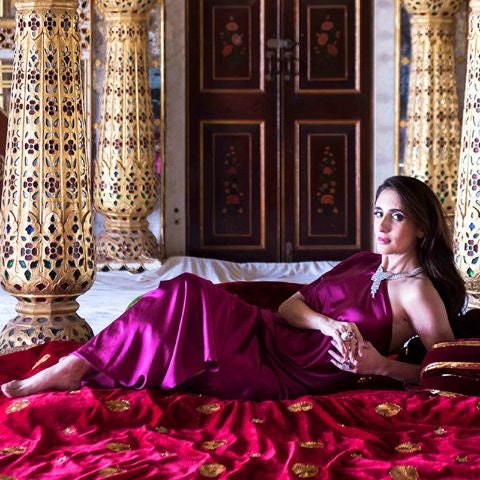
Built in the classic Indo-Saracenic nearly 500 years ago, the Samode is today a luxurious boutique hotel that stands testament to the beauty of diverse cultures coming together. Farah says, “I lived for years at the gorgeous Samode Palace. Every time I walk through its grand, scalloped doorways and nested arches, I step into the past. Intricate Mughal motifs clamber all over its walls and ceilings, punctuated by the jewel-like glow of the Rajasthani miniatures that light up its delightful little niches. I’m inexorably drawn to this harmonious mingling of cultures.”
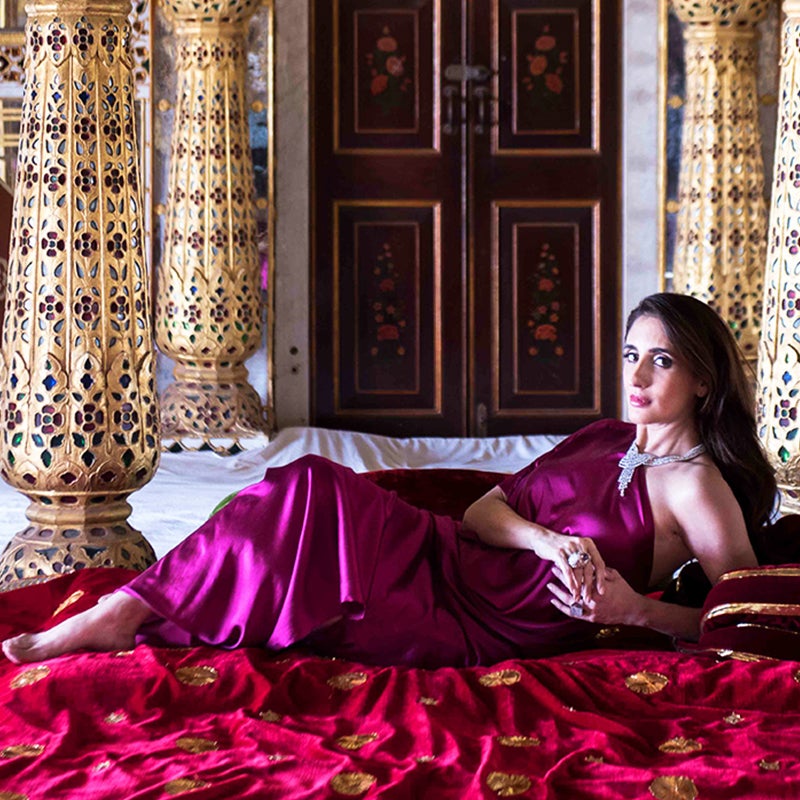
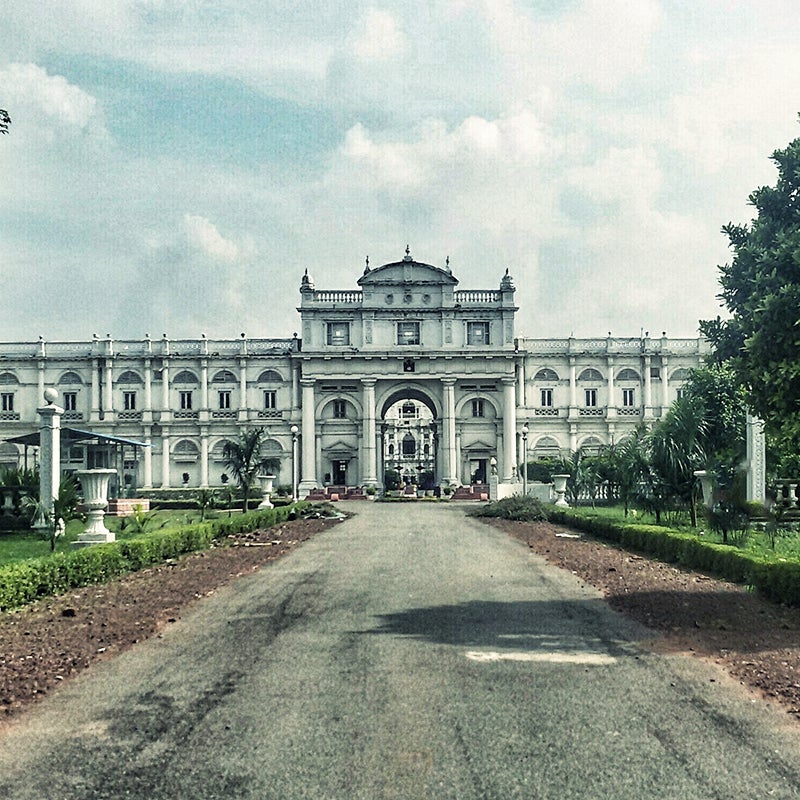
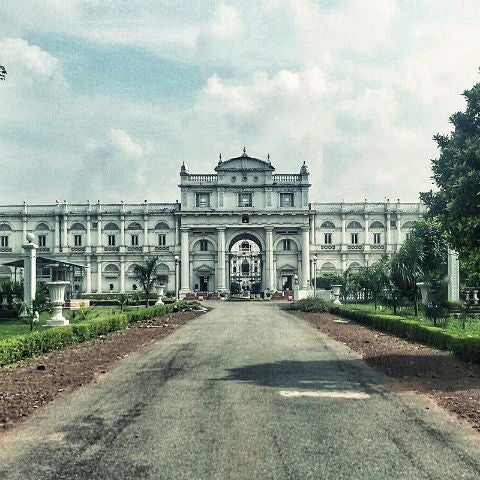
The royal essence of Gwalior is strong even today, with many visitors coming to see the grand Jai Vilas Palace. The large and majestic structure sports a mix of architectural and decorative elements borrowing from Italian, Corinthian and Tuscan style – all built back in the 19th century by Maharaja Jayajirao Scindia. A large part of the palace is now a museum showcasing a range of belongings from the royal household, and impressive warfare weapons and accessories. You also can’t miss the gold furniture and massive chandeliers adorning the palace.
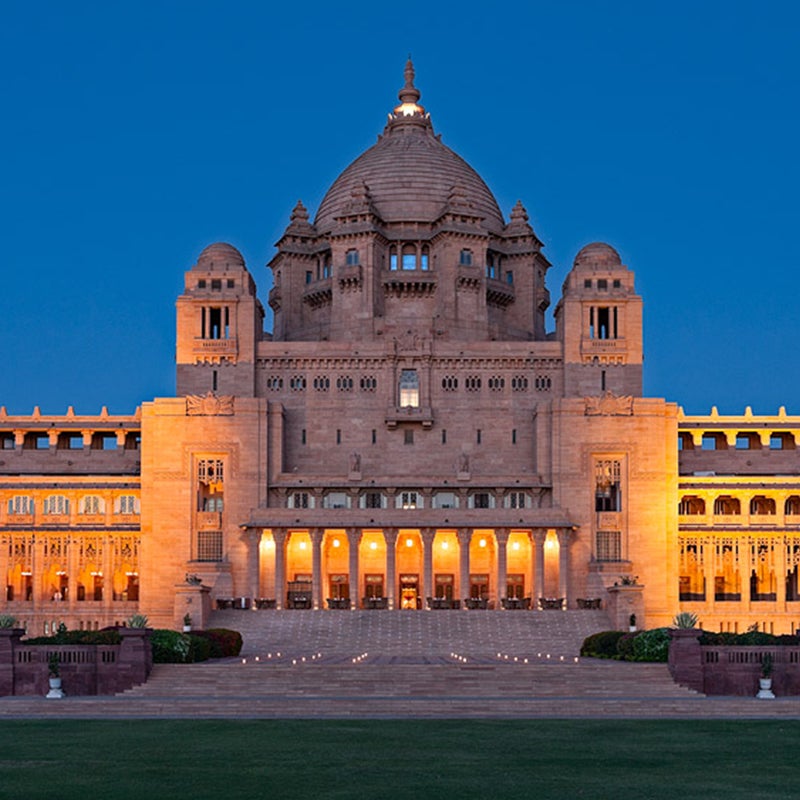
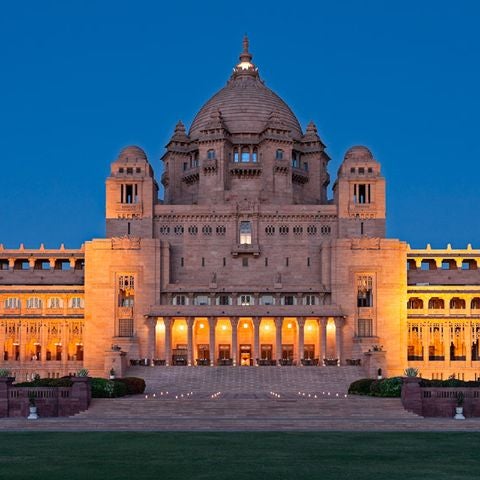
Umaid Bhawan Palace, Jodhpur
One of the world’s largest private residences, the Umaid Bhawan Palace (earlier known as the Chittar Palace) is a combination of Indo-Saracenic, Classical and Art Deco architectural styles. It is divided into three parts: the residence of the royal family, a Museum and a luxury hotel. Automobile lovers are in for a real treat – visitors to the palace can see a lineup of the erstwhile maharajas’ old car collection, while a visit to the museum is a must for its impressive display of the history and belongings of the royal family of Jodhpur.
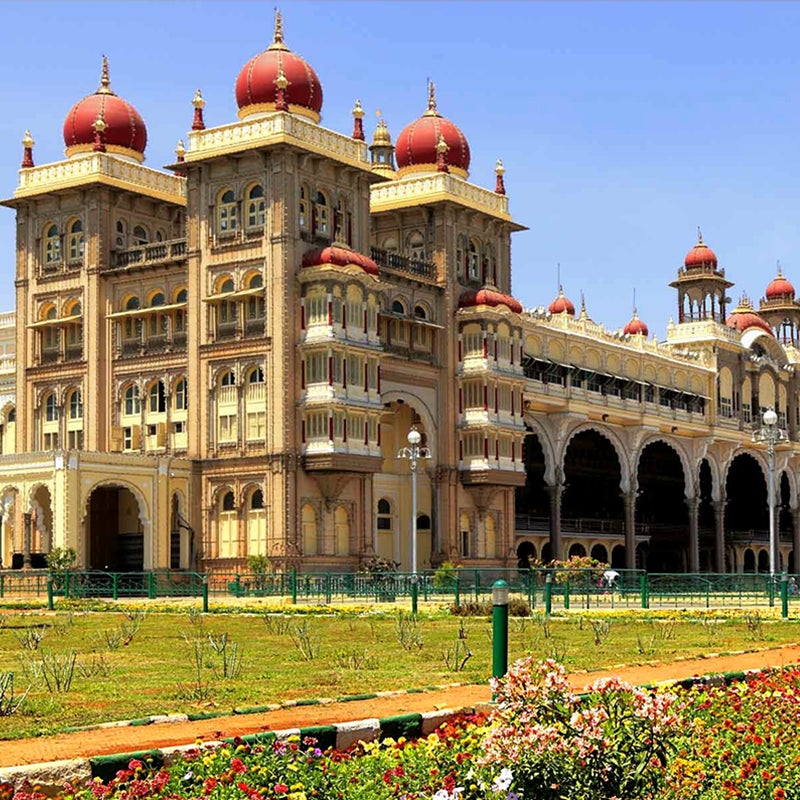
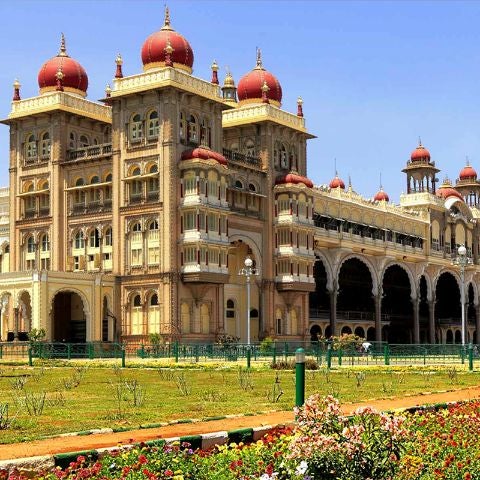
Also known as the Amba Vilas Palace, this is the official residence of the Wodeyars – the royal family of Mysore – built in 1912 by British architect Henry Irwin. With 6 million annual visitors, it is one of India’s most popular tourist destinations after the Taj Mahal. The Indo-Saracenic architecture combines elements from Hindu, Muslim, Gothic and Rajput schools. The palace has two massive durbars, is surrounded by courtyards and gardens, and houses 12 temples within its boundary.
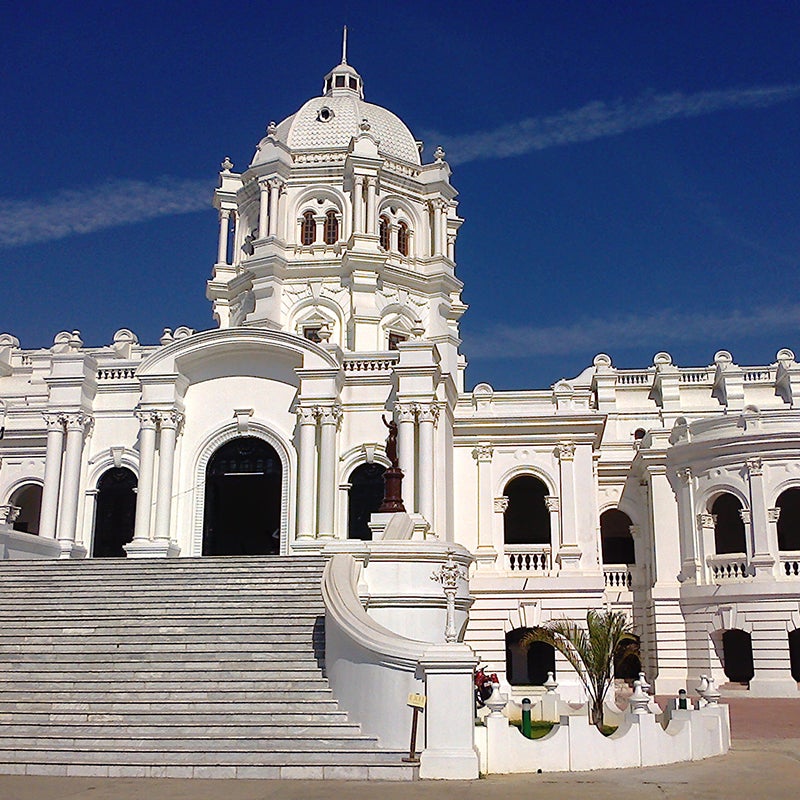
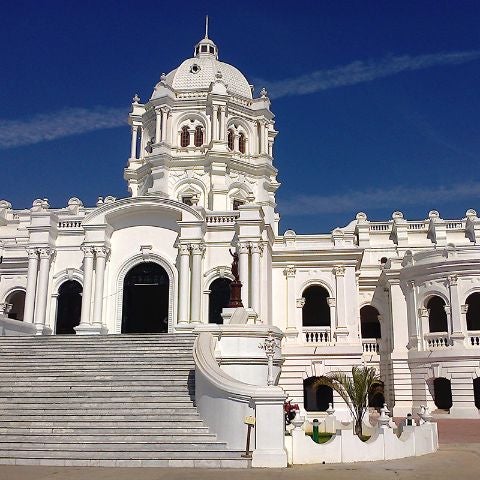
The Ujjayanta Palace in Tripura, Agartala built in 1901 is a massive structure spanning 250 acres, while its grounds alone cover 800 acres of land. The architecture is a mix of Mughal, Roman and British influences, while one of the main attractions of this neoclassical palace is the Chinese Room, whose ceiling was created by Chinese artisans themselves. The Mughal-style gardens have two large artificial ponds on either side. Now the largest museum in northeast India, it displays the rich arts, culture and tradition of the region’s tribes and communities.

Comments