
Arts and Culture - The Body Transformed
ARTS AND CULTURE - THE BODY TRANSFORMED
Celebrating India's history and contemporary vision through the ages
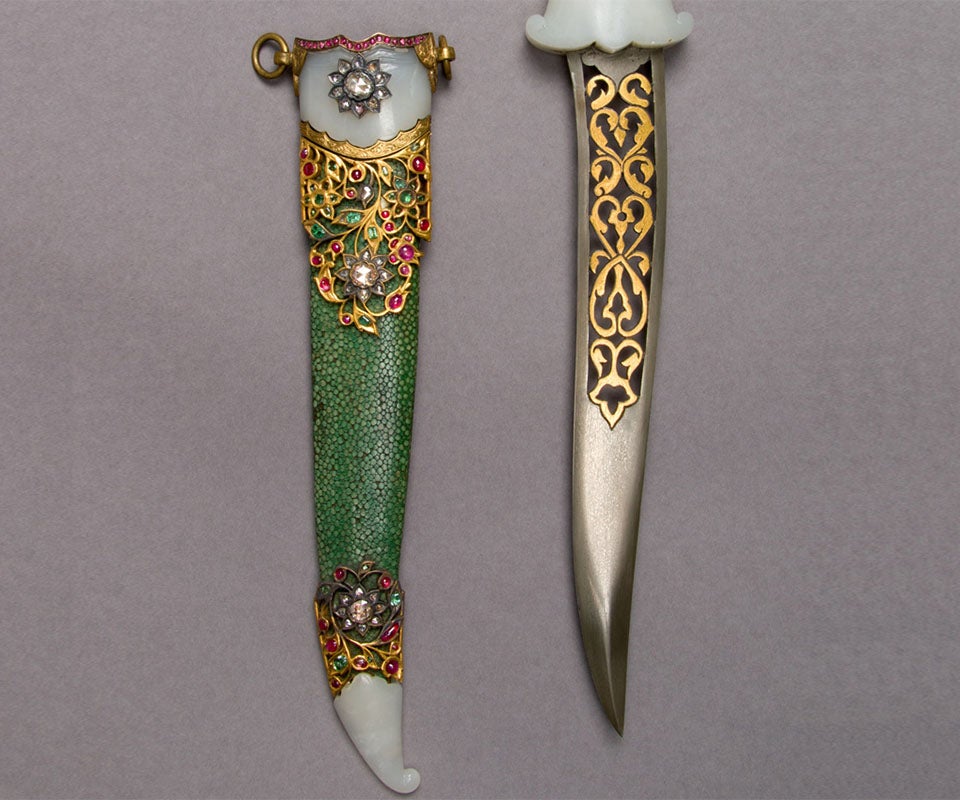
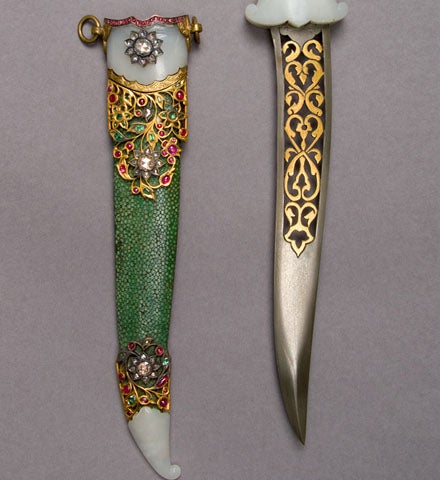
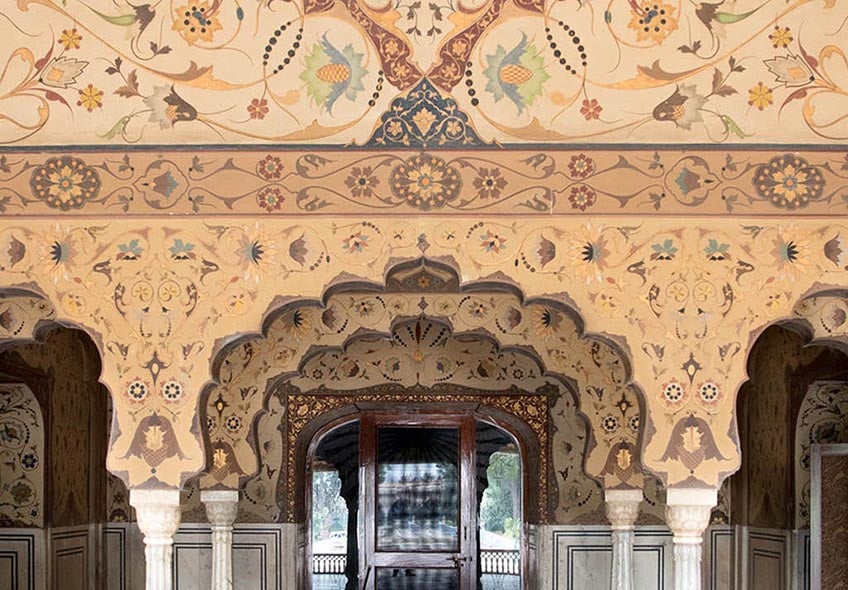
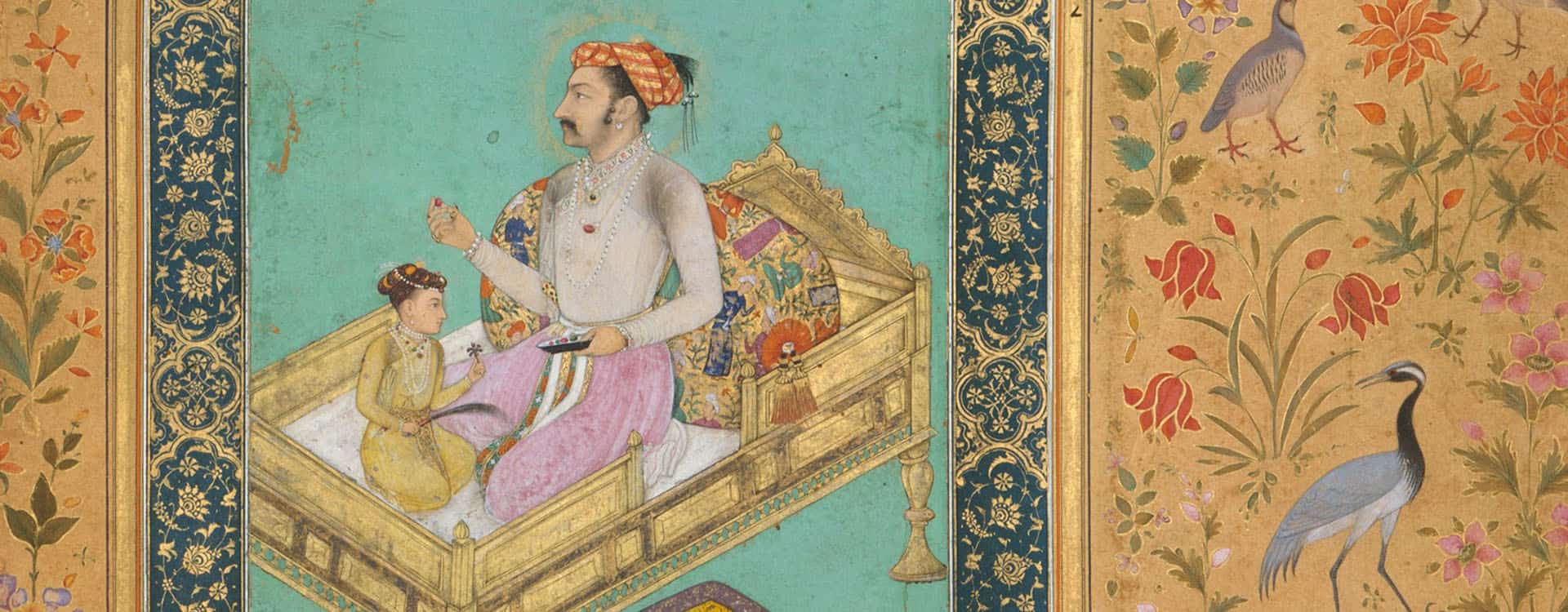
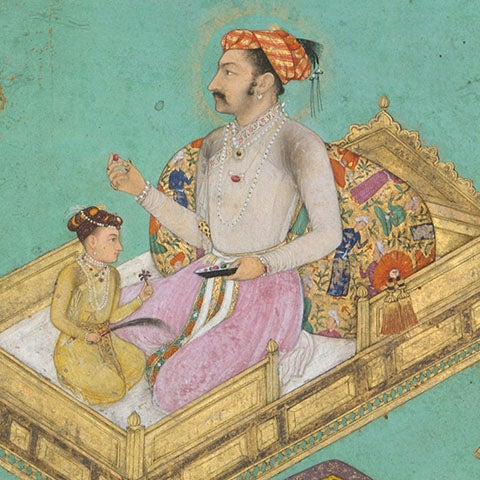
India has a rich history of jewellery and arts. India's Mughal rulers and maharajas were connoisseurs of the luxury art objects and many a times they commissioned exclusive pieces during their reign. Some these objects were showcased under the section named "The Resplendent Body" at the exhibition by MET from November 12, 2018 to February 24, 2019. The grandeur of this heritage can be reflected in ''The Mughal Idiom''
The Mughal Idiom
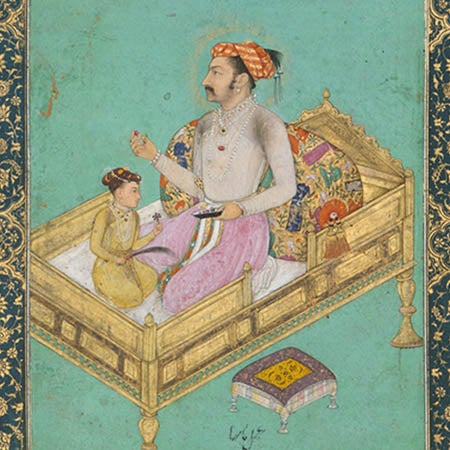
Dazzled by the appearance of the Mughal emperor Jahangir, one seventeenth-century English ambassador described him as "clothed, or rather laden, with diamonds, rubies, pearls, and other precious vanities, so great, so glorious!" Jahangir, along with his son Shah Jahan and other rulers with a connoisseur's passion for gems and luxury ornaments, birthed a jewelry tradition that continued and evolved in the courts of the Indian subcontinent well into the twentieth century.
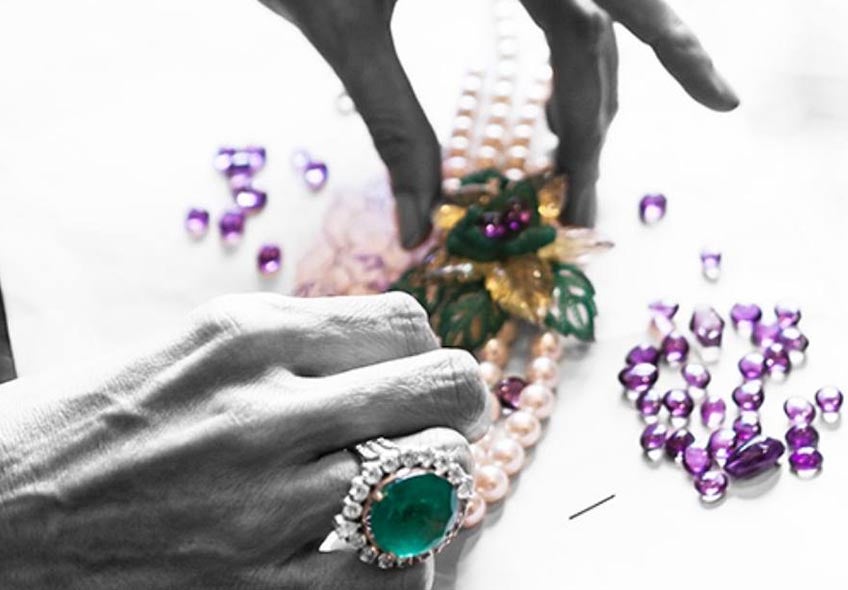
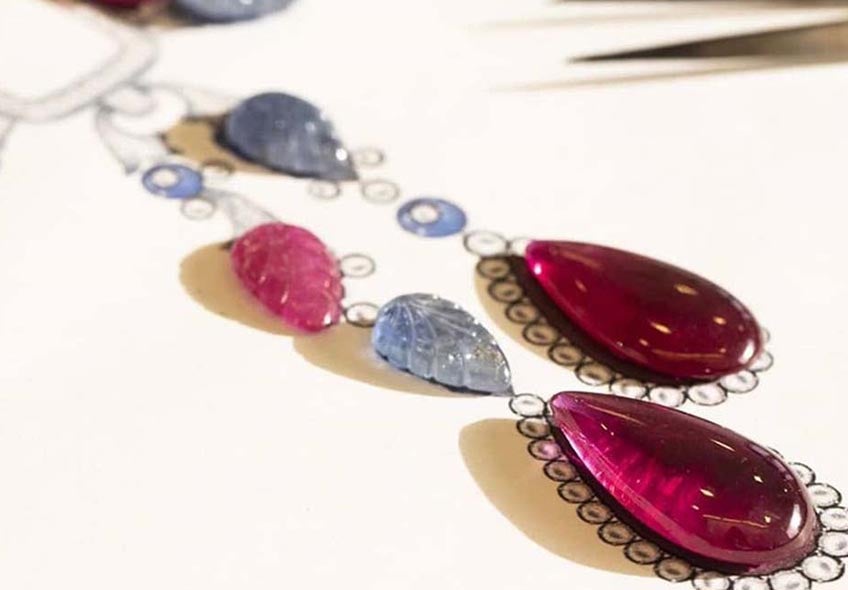
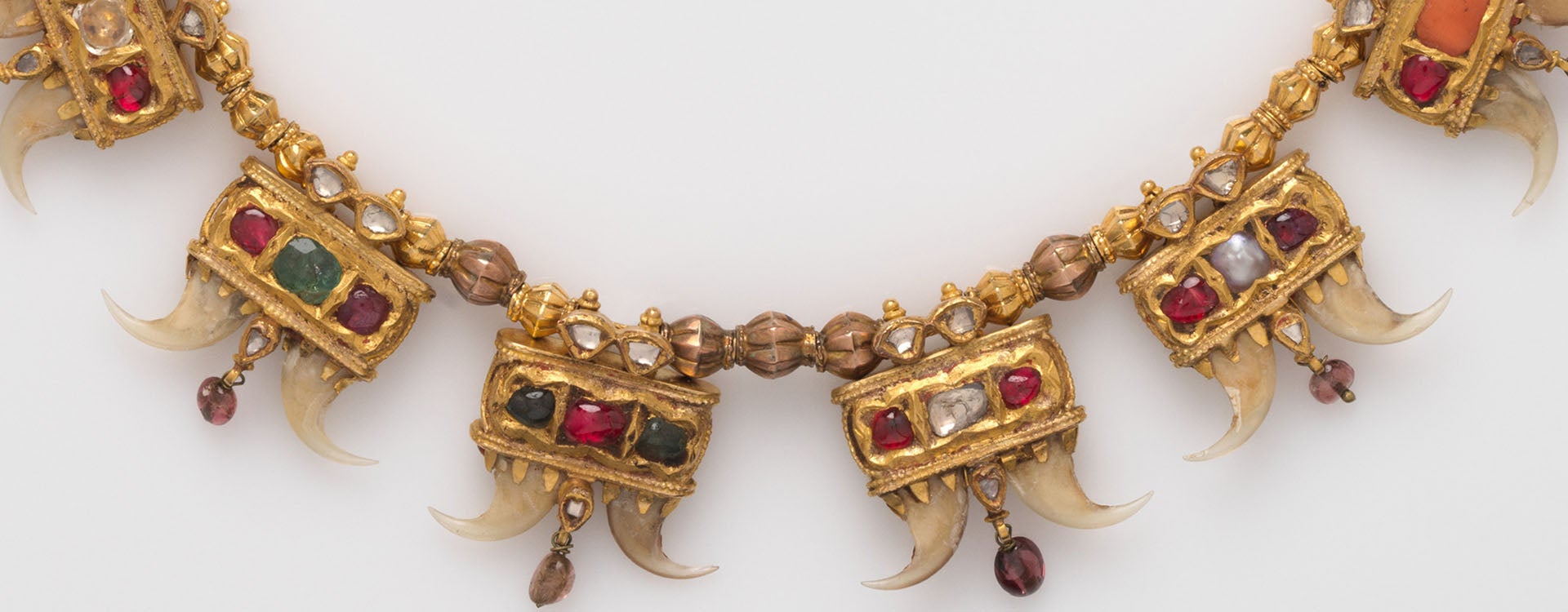
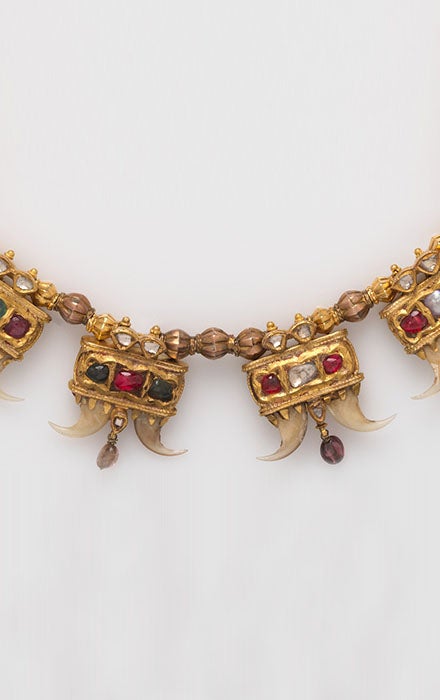
The brilliant bodies of maharajas, nizams, and other dignitaries were achieved through a preponderance of precious stones combined with jade, enamel, and gold. It was a cosmopolitan aesthetic that showcased gems from around the world and employed technical methods both local and European. The jeweled style was all-encompassing, appearing not only on necklaces, armbands (bazubands), and rings but also on turban ornaments, cane handles, and dagger hilts. It could play off the textures and patterns of woven silks and beaded robes, but extraordinary pieces of jewelry were also sometimes set against simple white muslin or undyed wool in order to highlight their multicolored splendor. Through the ages and times, India continues to evolve, influence, inspire and impact the world of jewellery globally.

Comments